Practical money guides, no jargon
Budgeting, saving, credit, and beginner investing — explained plainly, updated regularly.
Get new guides in your inbox
A plain-language money guide whenever we publish one — budgeting, saving, credit, and beginner investing. No spam, unsubscribe anytime.
Browse recent articles
Latest — news trendsWhat the Fed Does and How It Affects Your Money
The Federal Reserve raised its target rate on September 16, 2026. Here's what the Fed actually is, what it's trying to do, which tools it uses, and how a decision in Washington reaches your loans, savings, and paycheck.
Read the guide →More guides
- What Is Cryptocurrency? How It Works and the Risks
Cryptocurrency is digital money recorded on a public ledger instead of a bank's books. Here's how it works in plain language, why it carries real risks, and what to check before you put any money near it.
- How to Use ATMs Abroad Without Overpaying in Fees
Three separate charges can hit one foreign cash withdrawal: the machine's fee, your bank's fees, and the exchange rate. Here's how to spot each one, decline the conversion trap, and pull out cash for less.
- How to Build a Sinking Fund for Irregular Expenses
Car insurance, holiday gifts, annual fees, and dental visits aren't emergencies, but they still blow up a monthly budget. A sinking fund spreads each one across the year so the bill is already paid for when it arrives. Here's how to set one up.
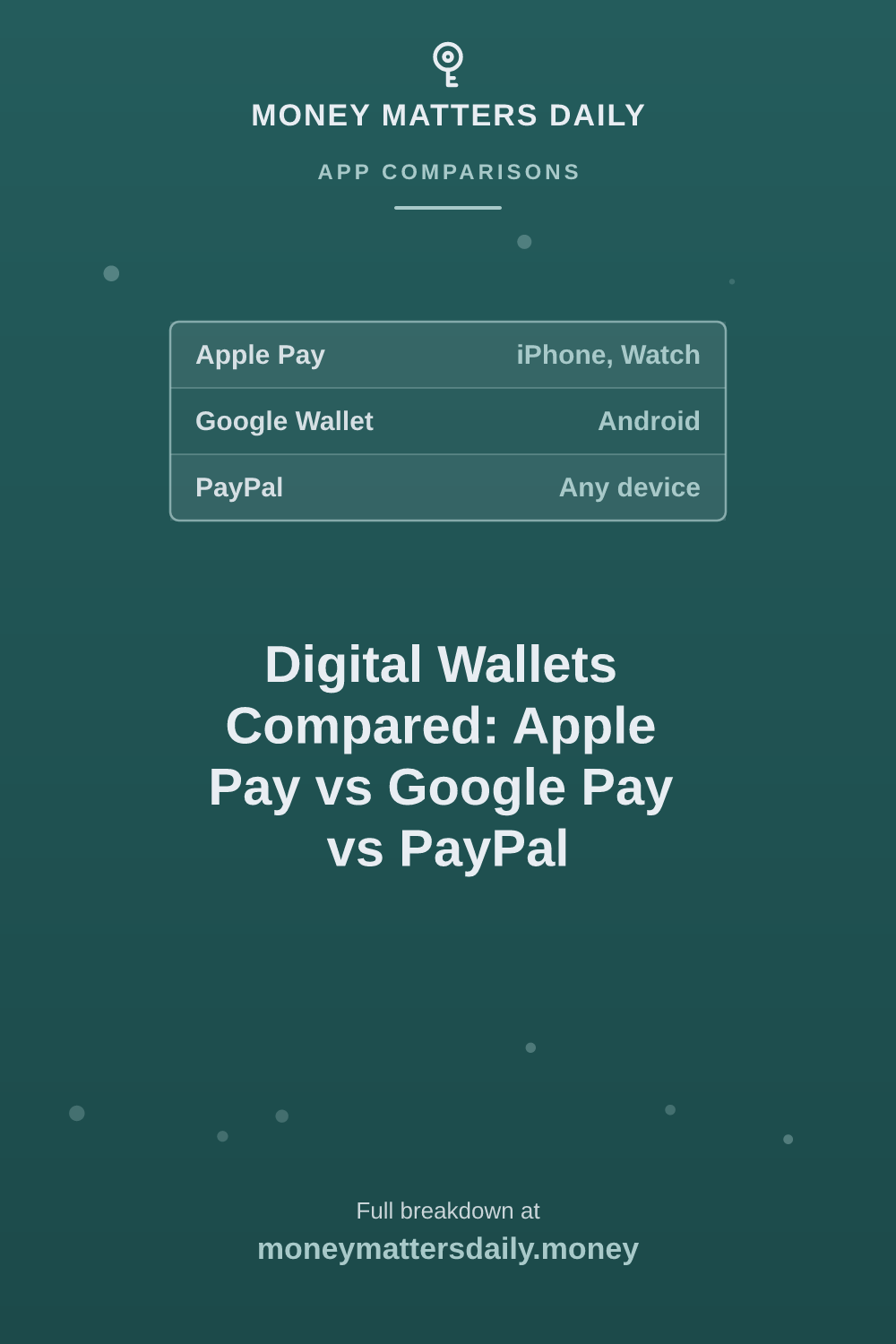
- Digital Wallets Compared: Apple Pay vs Google Pay vs PayPal
Apple Pay, Google Pay, and PayPal all let you pay without typing card numbers, but they work in different ways. Here's how they compare on devices, security, protections, availability, and fees, and which kind of person each one fits.
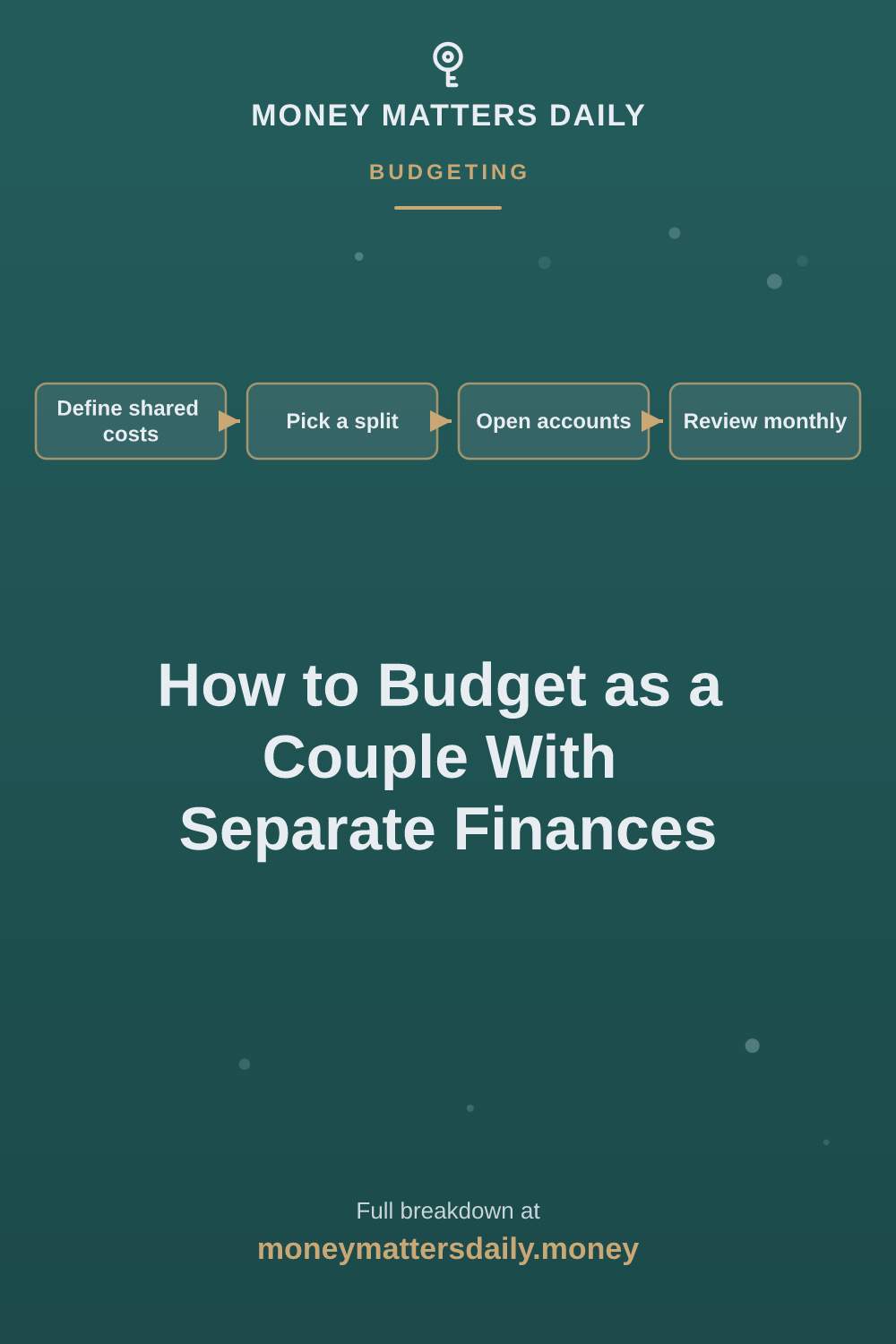
- How to Budget as a Couple With Separate Finances
You can keep your own accounts and still run shared money smoothly. Here's how to decide what counts as shared, pick a fair way to split it (including when incomes differ), set up the accounts, and keep the system honest with a short monthly check-in.
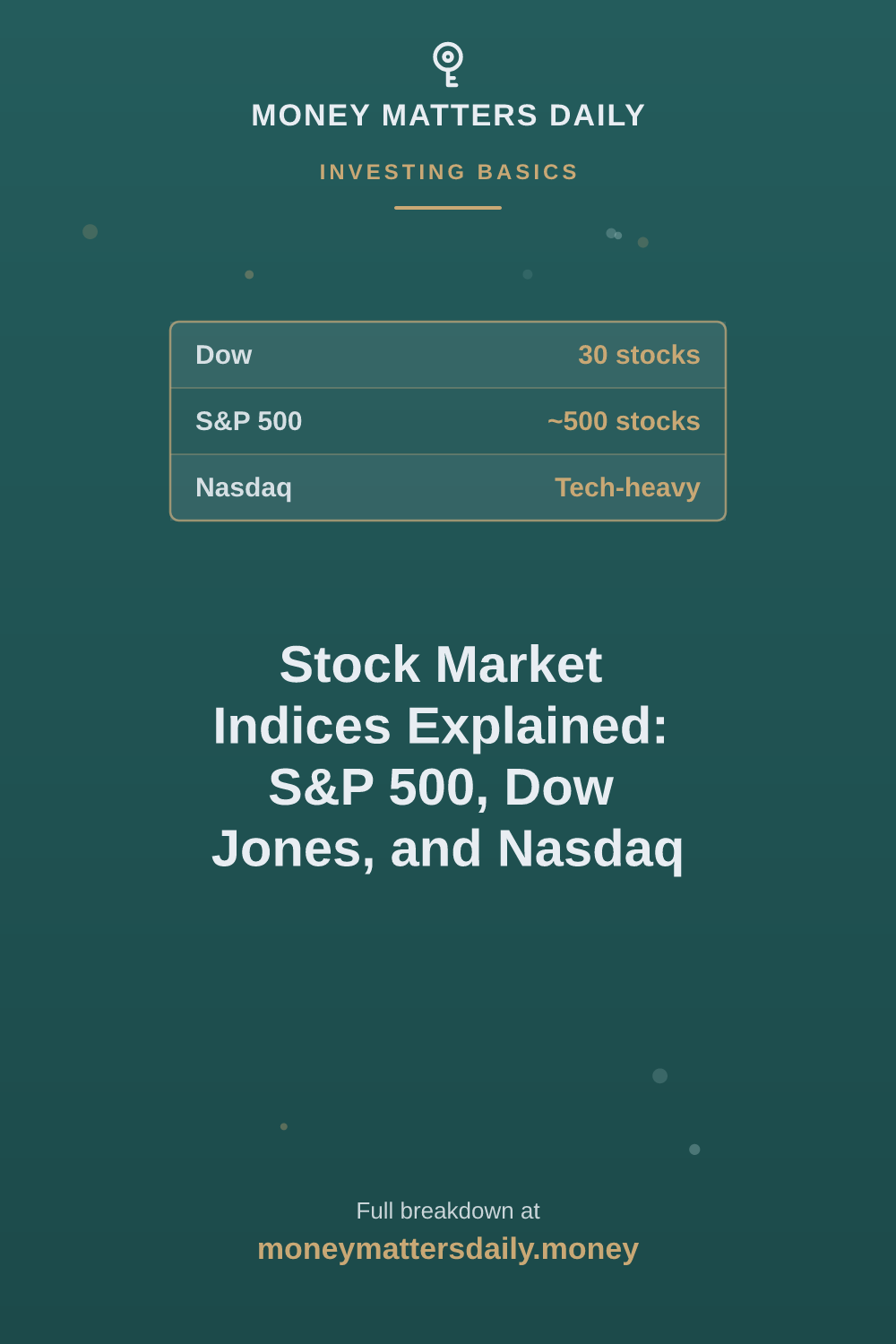
- Stock Market Indices Explained: S&P 500, Dow Jones, and Nasdaq
The S&P 500, Dow, and Nasdaq show up in every market headline, but they measure different things in different ways. Here's what each one tracks, how weighting changes the result, why you can't buy an index directly, and how to read the numbers without being misled.
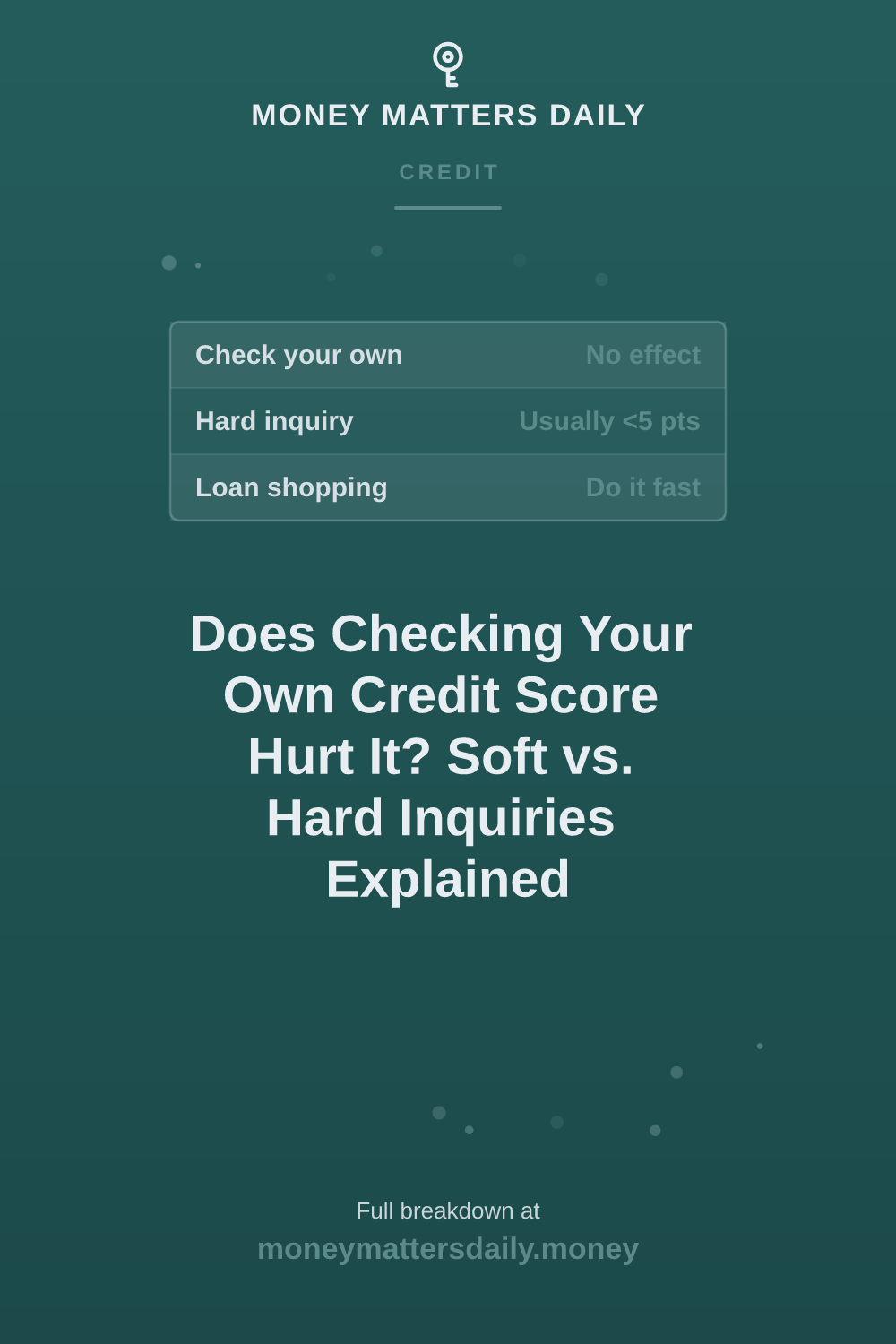
- Does Checking Your Own Credit Score Hurt It? Soft vs. Hard Inquiries Explained
Checking your own credit never lowers your score, but applying for credit can. Here's the difference between soft and hard inquiries, which checks count as which, how long a hard inquiry matters, and how to shop for a loan without piling up damage.
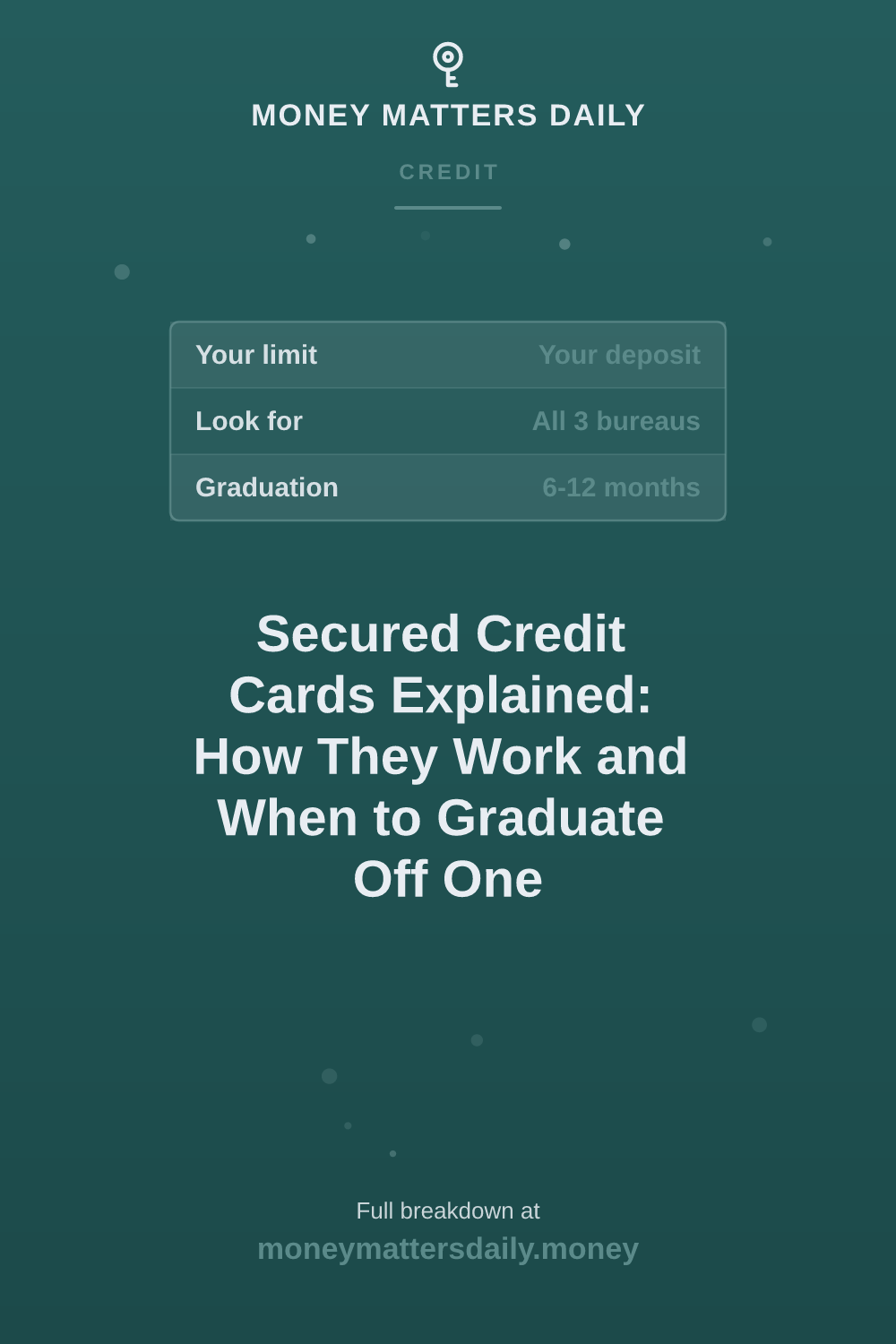
- Secured Credit Cards Explained: How They Work and When to Graduate Off One
A secured credit card is a regular card backed by a refundable deposit, and it's one of the most reliable ways to build or rebuild credit. Here's how the deposit works, what to look for, how to use the card, and how to know when it's time to move on.
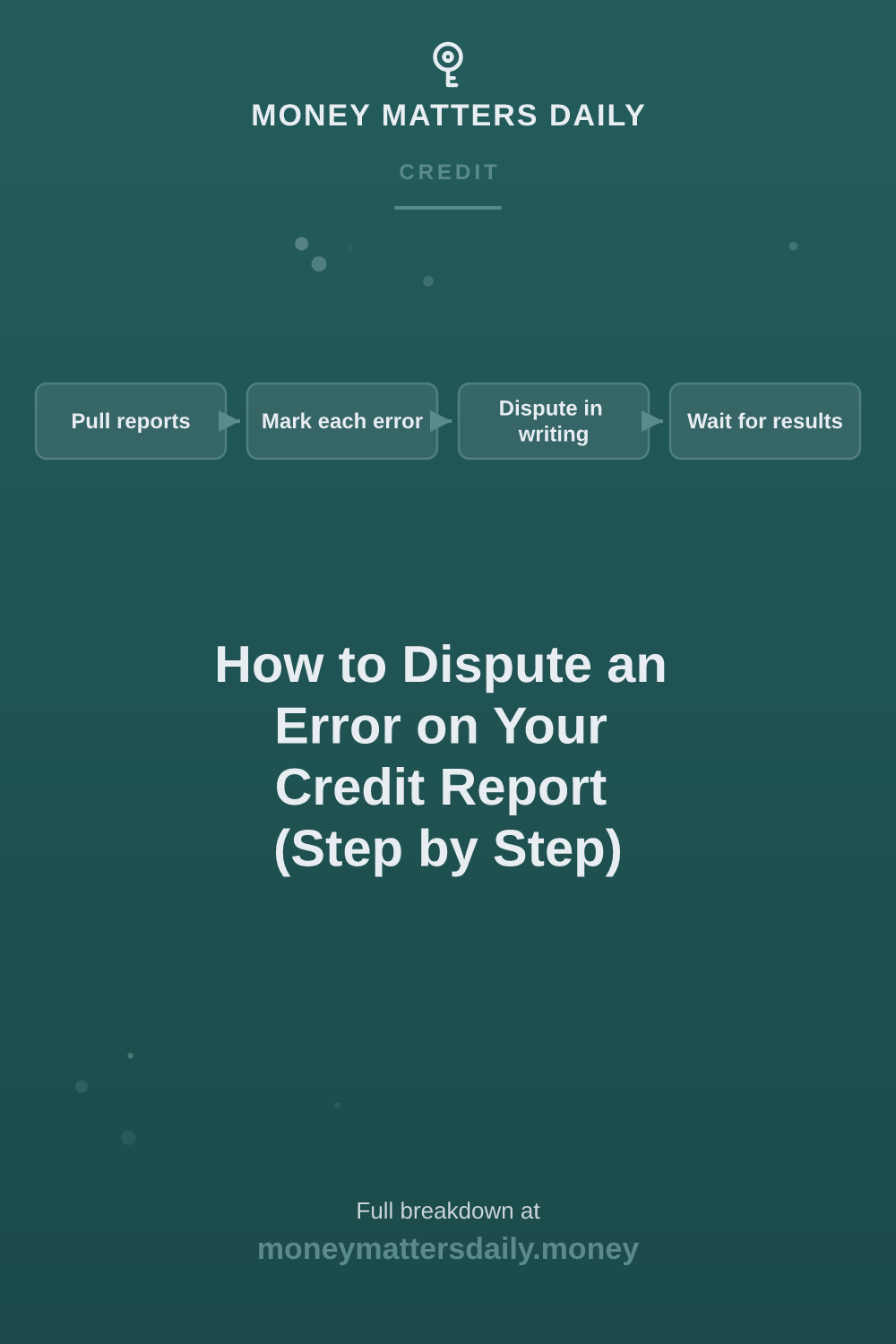
- How to Dispute an Error on Your Credit Report (Step by Step)
Credit report errors are common, and fixing them is free. Here's how to find a mistake, dispute it with both the credit bureau and the company that reported it, what the 30-day clock means, and what to do if the answer is no.
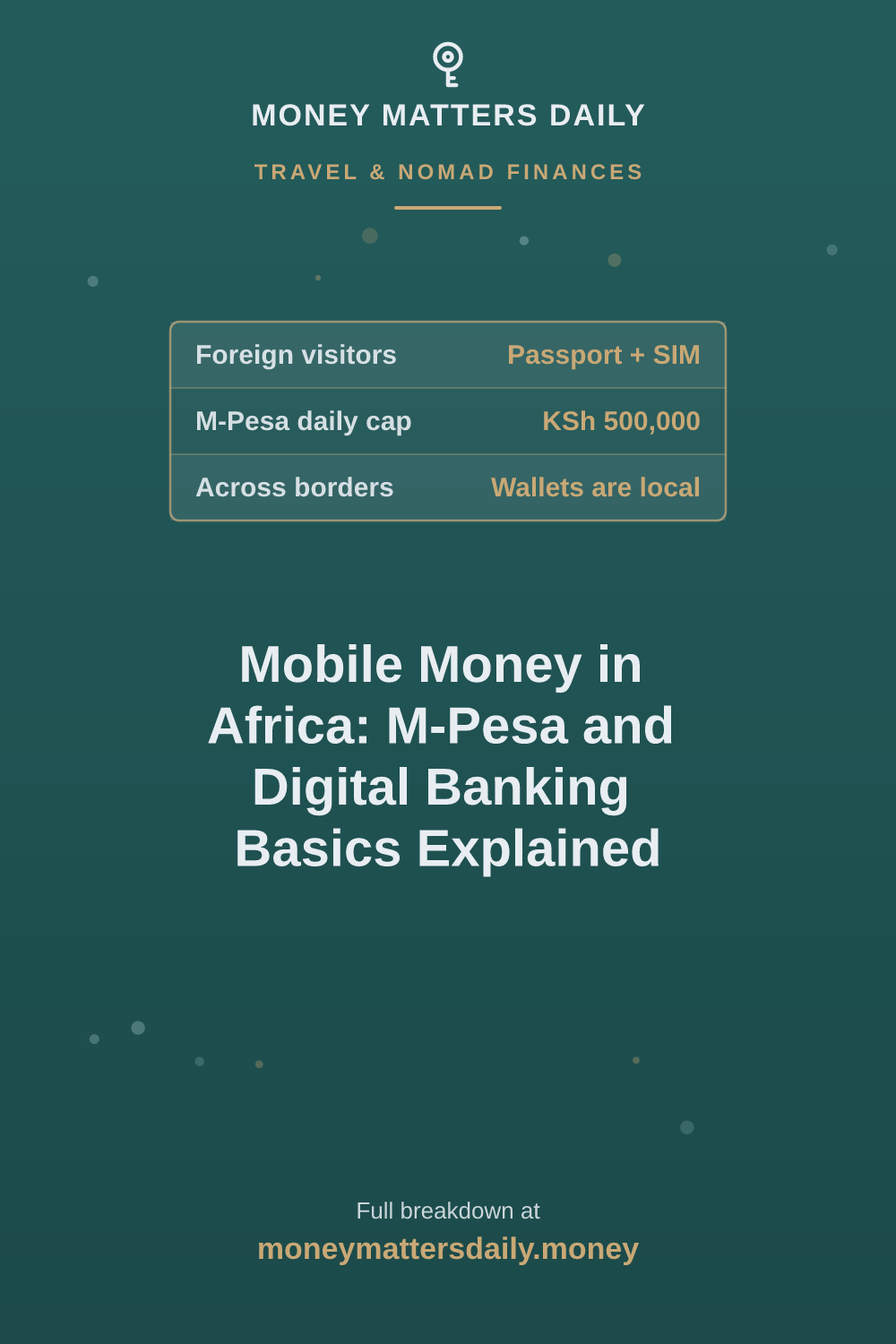
- Mobile Money in Africa: M-Pesa and Digital Banking Basics Explained
Mobile money lets you hold, send, and spend money from a phone number instead of a bank account, and sub-Saharan Africa is where it took off. Here's how M-Pesa and its rivals work, what visitors can set up, where the limits and risks are, and why your wallet usually stays inside one country.
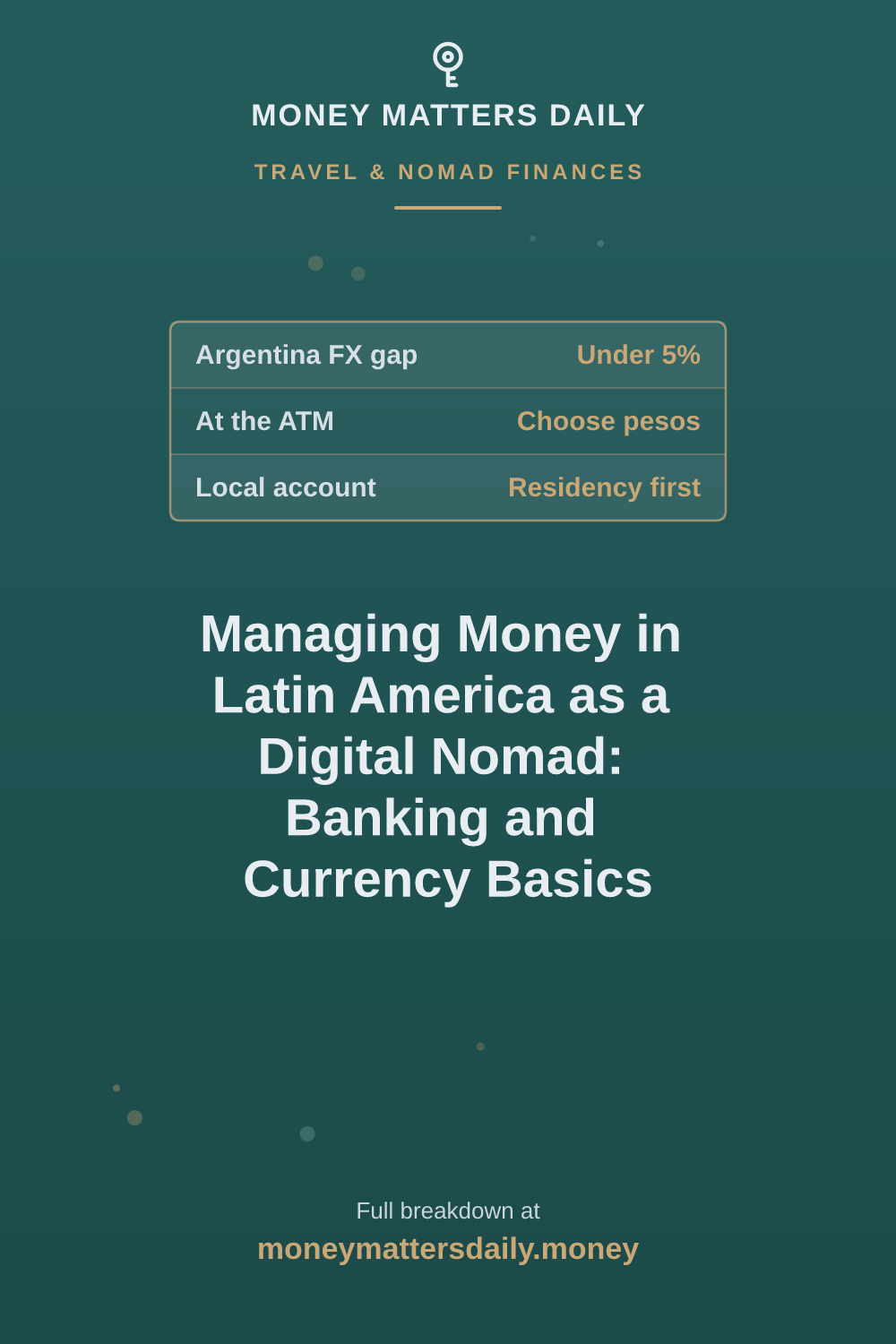
- Managing Money in Latin America as a Digital Nomad: Banking and Currency Basics
Latin America is a popular base for remote workers, but the money side varies country by country: local bank accounts usually need residency, Argentina's famous exchange-rate gap has mostly closed, and ATMs are where most travelers quietly lose money.
- Managing Money in China: Alipay, WeChat Pay, and Digital Banking Basics
China runs on QR-code payments, and foreign cards now work in both Alipay and WeChat Pay. Here's how to set them up, what the limits and fees look like, why cash and a backup card still matter, and when a local bank account is worth the trouble.
- Best Money Management Apps for UPI and Digital Payments in India (2026)
PhonePe, Google Pay, and Paytm move your money; Money View, Axio, ET Money, and Jupiter help you understand it. Here's how to pick one of each, what UPI actually costs you, and what the new merchant fee changes (and doesn't).
- Eurozone Inflation Reports Explained: Reading the HICP
Euro-area inflation just hit 3.2%, but the headline hides a 14.3% energy jump and a much calmer core. Here's how to read a HICP release and what it means for your own budget.
- Thailand Digital Nomad Visa and Money Basics: Banking, Taxes, and Cost of Living
The Destination Thailand Visa gets remote workers in the door, but banking has quietly gotten harder, the tax-residency test isn't what most guides say, and the two Thailands — local prices vs. the nomad bubble — aren't the same budget.
- Japan's NISA Program Explained: Tax-Free Investing Basics
NISA lets investors in Japan keep all investment gains free of tax, permanently. Here's how the two account types work, the actual limits, and what changed for 2026.
- Best Banking Apps for Australians Compared (2026)
Up, ING, UBank, Macquarie, and the Big Four apps compared on fees, savings-rate conditions, and everyday features — with the math on what a missed bonus-rate condition actually costs.
- Debt Payoff Calculator Explained
What a debt payoff calculator actually does with snowball, avalanche, and hybrid math — plus an honest look at Undebt.it, Unbury.me, Ramsey's calculator, and Vertex42's spreadsheet.
- EPF vs PPF: India's Retirement Savings Basics Explained
EPF is a mandatory salary-linked retirement account; PPF is a voluntary one anyone can open. Here's how the current interest rates, contribution rules, and lock-ins actually compare — and why most salaried Indians end up using both.
- Free Budgeting Calculator Templates Compared (2026)
Google Sheets, Vertex42, Aspire Budgeting, Tiller's free template, and NerdWallet's 50/30/20 calculator — which free option actually fits how you want to budget.
- Managing Money in Japan as an Expat or Remote Worker
Opening a bank account, reading your tax-residency status correctly, and moving money in and out of Japan — the parts that trip up newcomers most, with a worked example.
- The Beginner's Financial Order of Operations: Budget to Invest
Pay off debt, save, or invest — which comes first? Here's the actual sequence, in order, and why doing them in the wrong order quietly costs money.
- How European Central Bank Rate Decisions Affect Your Money
The ECB just raised its deposit rate to 2.50%, and most coverage stops at 'markets reacted.' Here's what actually moves in a euro-area household budget, and how the ECB's three rates differ from the Fed's.
- Tax Residency Basics for Digital Nomads
'Stay under 183 days and you owe nothing anywhere' is the most common digital-nomad tax myth, and it's wrong. Here's how tax residency actually gets decided, and why staying under the radar isn't a strategy.
- Best Budgeting Apps for Canadians Compared (2026)
Most budgeting-app roundups are written for Americans and just assume US bank sync works fine up here. YNAB, KOHO, PocketSmith, Wealthica, and Wealthsimple actually connect to Canadian banks — here's who each one fits.
- Multi-Currency Budgeting for Remote Workers
How to actually build a budget when your income lands in one currency and your bills go out in another — a conservative-rate method, a worked example, and the mistakes that blow up a budget mid-month.
- How Superannuation Works: Australia's Retirement Savings Explained
Superannuation is compulsory, employer-funded retirement savings — currently 12% of your wages, locked away and invested until you're 60. Here's the actual mechanics.
- Budgeting for Freelancers and Gig Workers
Freelance and gig income comes with two problems a regular paycheck doesn't: nobody's withholding your taxes or contributions, and nobody's paying for your sick days. Here's how to budget around both, wherever you're based.
- How UK Credit Scores Work: Experian vs Equifax vs TransUnion
The UK doesn't have one credit score — it has three, on three different scales, and two of them just changed. Here's what Experian, Equifax, and TransUnion actually measure, their current bands, and why the same financial history produces three different numbers.
- How to Budget on an Irregular Income
Most budgeting advice assumes a steady paycheck. Here's how to budget when your income actually changes month to month — freelance, commission, gig work, or seasonal — without the good months quietly funding the bad ones.
- TFSA vs. RRSP: Canada's Tax-Advantaged Accounts Explained
TFSAs and RRSPs both shelter your money from tax, but on opposite ends of the timeline. Here's how the 2026 contribution limits work, which one to prioritize, and why most people eventually need both.
- What a Government Shutdown Means for Your Paycheck
A shutdown headline sounds like an emergency, but what it actually changes for your paycheck depends on one distinction: excepted, furloughed, or not a federal employee at all. Here's how to tell, and what's guaranteed either way.
- UK ISAs Explained: How Tax-Free Saving Works
ISAs let UK savers and investors keep growth free of Income Tax and Capital Gains Tax. Here's what the £20,000 allowance actually covers, which ISA type fits which goal, and what's changing in 2027.
- What Stock Market Volatility Means for Your Savings
A volatility headline and a threat to your savings are two different things. Here's how to tell which one you're actually looking at, based on when you need the money.
- What Inflation Reports Actually Mean for Your Budget
The monthly CPI report gets a headline number, but that number isn't your grocery bill. Here's how to read an inflation report and what to actually change in your budget because of it.
- How to Manage Money While Traveling Abroad
The day-to-day money habits that actually matter on a trip: how to split your funds, avoid the dynamic currency conversion trap, and keep a card working when your primary one doesn't.
- Best Banking Apps for Digital Nomads (2026)
Wise, Revolut, N26, Charles Schwab Investor Checking, and Chime compared for the specific problems digital nomads run into — foreign fees, ATM access, multi-currency holding, and getting paid across borders.
- How to Budget for Long-Term Travel
A practical framework for budgeting extended travel — separating one-time setup costs from ongoing daily spending, sizing your buffer, and picking a daily-spend target by region.
- Best Net Worth Tracking Apps Compared (2026)
Empower, Monarch, Copilot, Kubera, and YNAB all track net worth differently — free dashboard, all-in-one budgeting, manual control, or premium net-worth-only. Here's who each one fits.
- Best Debt Payoff Apps Compared (2026)
Undebt.it, YNAB, Debt Payoff Planner, Rocket Money, and Empower each attack debt differently — free planner, budgeting-first, dedicated tracker, spending-leak finder, or all-in-one dashboard. Here's who each one fits.
- Best Ways to Automate Your Savings (And How to Actually Set Them Up)
Direct deposit splits, recurring transfers, and round-ups all do the same basic job, but they're not interchangeable. Here's how each one actually works, which order to set them up in, and a worked example of what $50/month really adds up to.
- Best Free Investing Apps Compared (2026)
Fidelity, Robinhood, Charles Schwab, Acorns, and SoFi Invest all offer $0-commission trading — here's who each one actually fits, and where the real differences are.
- Compound Interest Explained Simply
Compound interest is interest earned on interest, not just on what you put in — and the gap between simple and compound growth is small at first, then isn't. Here's the actual math.
- How to Start Investing With Little Money
You don't need $1,000 to start investing — fractional shares and low/no-minimum brokers mean $20 a paycheck is enough to begin. Here's the actual order of operations.
- Credit Utilization Explained: The Number That Moves Your Score Fastest
Credit utilization is 30% of your FICO score and resets every billing cycle, making it the fastest lever you have. Here's how it's actually calculated — per-card, overall, and by statement date — with worked examples.
- What Actually Hurts Your Credit Score (and What's Just a Myth)
Credit scores run on a weighted formula, not intuition — and some of the most common 'credit tips' people follow are myths that do nothing or actively backfire. Here's what really moves the number, ranked by weight.
- How to Save Money on a Low Income: Where to Actually Start
Standard savings advice assumes room in the budget that isn't always there. Here's where the real leverage is when income is tight, an honest look at cutting expenses versus growing income, and a tax credit most low-income savers don't know they qualify for.
- High-Yield Savings Accounts, Explained: What They Are and How to Compare Them
A high-yield savings account pays several times the national average with no extra risk. Here's what actually separates one HYSA from another, and how to compare them without chasing a rate that changes next month.
- The Envelope Budgeting Method: How It Works (Cash and Digital)
Split your money into spending categories before you spend it, not after. How the envelope method works, why it's so effective against overspending, and whether to use cash or an app.
- How to Make a Budget: A Step-by-Step Guide for Beginners
No spreadsheets, no jargon — a plain walk-through of how to build your first budget from a blank page, using numbers you already have.
- Managing Money as a Digital Nomad: A Practical Starting Guide
The banking, currency, and tax basics to sort out before you start working from another country — with a real bank-type comparison table and a worked currency-conversion example.
- What Fed Rate Decisions Actually Mean for Your Wallet
Every Fed announcement gets headlines, but few explain what it changes for your mortgage, savings, and credit cards. Here's the plain-language version.
- Zero-Based Budgeting Explained
Every dollar gets a job before the month starts. Here's how zero-based budgeting actually works, how it's different from 50/30/20, and who it fits best.
- Best Budgeting Apps Compared (2026)
Mint is gone. Here's an honest look at YNAB, Monarch, Copilot, Rocket Money, and EveryDollar — who each one actually fits, and where they fall short.
- How to Build Credit From Scratch (When You Have None)
No credit history isn't the same as bad credit, but it creates the same problem: nobody will lend to you yet. Here's the actual order of operations.
- Index Funds Explained for Beginners
You don't need to pick winning stocks — you need to own the market and let time compound. Here's what an index fund actually is and why it's usually the right default.
- The 50/30/20 Budget Rule, Explained Simply
A plain-language breakdown of the 50/30/20 budgeting method — what counts as needs vs wants, and how to adjust it if it doesn't fit your income.
- How Much Should You Actually Have in an Emergency Fund?
The 3-6 months advice isn't wrong, but it's not the whole answer. Here's how to size an emergency fund based on your actual situation, not a generic rule.